


Due to its geographic location, Panama City is one of the most critical hubs for migratory bird connectivity in the Americas. ©Shutterstock
Building Across a Continent of Birds:
the CAF North Hub and Bird-Friendly Architecture
Each spring and fall, millions of migratory birds cross the Americas, following vast natural routes that connect ecosystems, economies, and cultures from the Arctic to Patagonia. These paths stretch like invisible highways over mountains, rivers, and coastlines, guiding the movement of entire flocks across the continent.
Although some species make extraordinary nonstop flights, for many others migration occurs in stages, with successive stops to rest and refuel; in fact, the total time spent at these stopover sites can exceed their actual flight time. However, when these stops occur in urbanized landscapes, birds must face additional obstacles and threats. In cities located within these corridors, the risk of mortality increases dramatically.
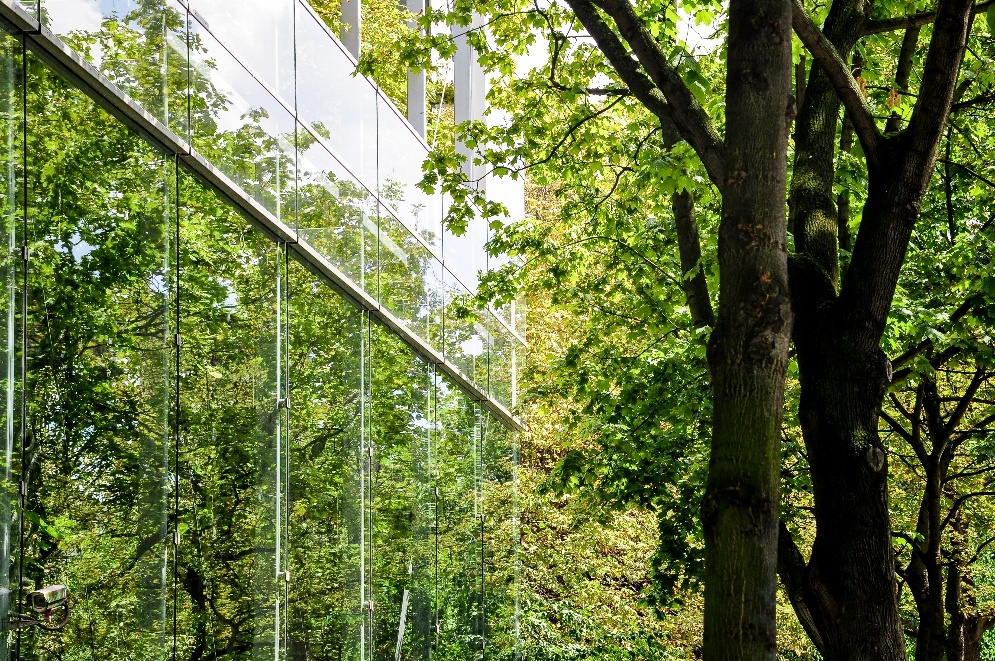
Collisions with buildings have become one of the leading causes of this mortality, especially due to the extensive use of glass surfaces in these structures. Because these facades reflect the sky, trees, or surrounding vegetation, they create the illusion of a continuous habitat. Unable to perceive the glass as a physical barrier, birds fly directly into these surfaces. This results in impacts that frequently cause severe or fatal injuries, threatening both ecosystem balance and the environmental services that birds help maintain.
The Americas hold one of the highest levels of biodiversity on the planet, hosting nearly 50% of the world’s bird species, with more than 3,700 species recorded across the continent. In this context, how cities are planned and built plays a decisive role in maintaining ecological connectivity and reducing the risks faced by birdlife in a territory key to global biodiversity.
According to a study published by ABC Birds, more than 1 billion birds die each year from colliding with glass surfaces in the United States alone, suggesting that the magnitude of the problem on a global scale is considerably larger. National Audubon Society has also warned about the severity of this issue, highlighting the importance of incorporating bird-friendly design to prevent collisions, reduce avian mortality, and transform urban environments into safer spaces for biodiversity.
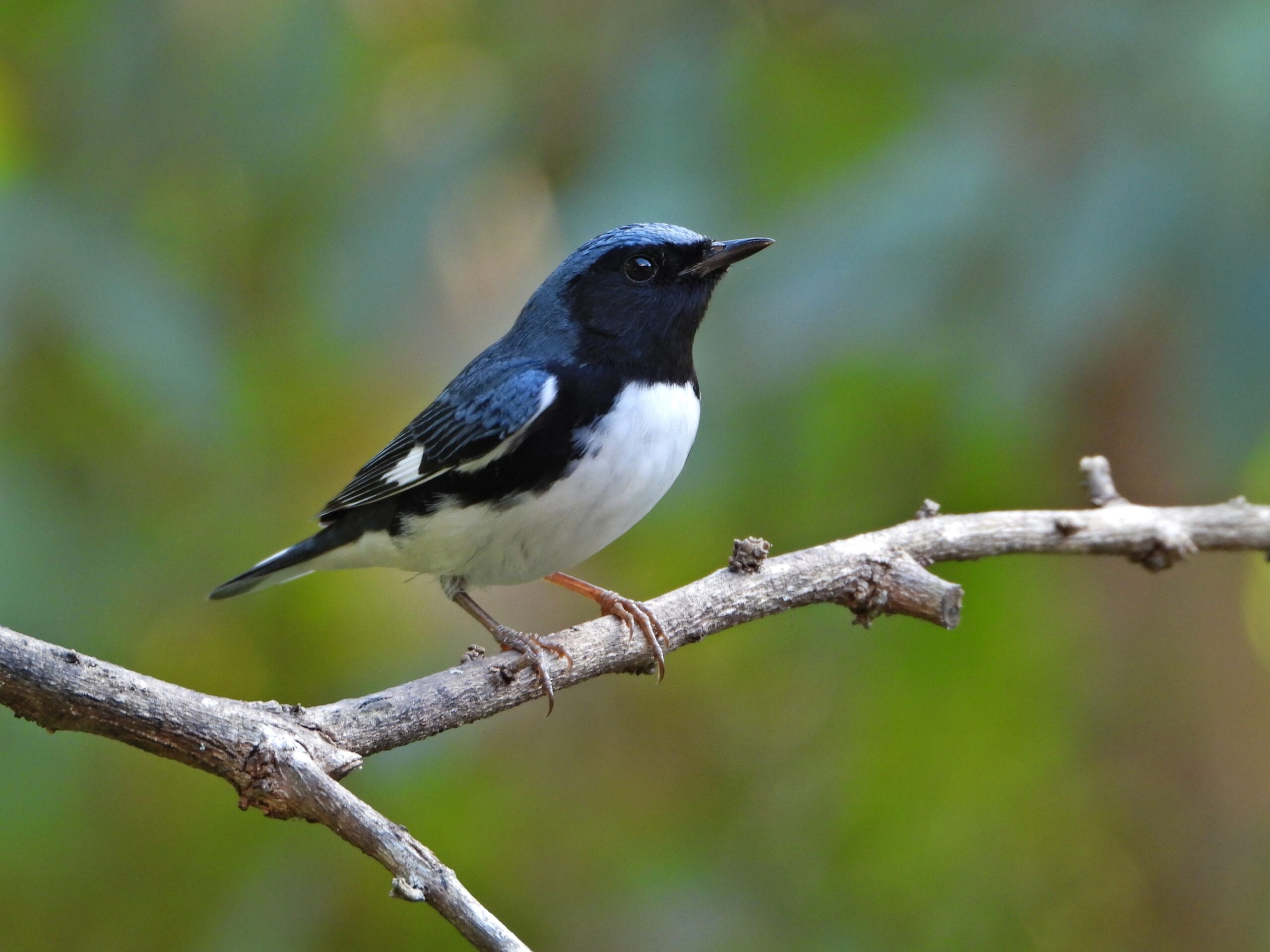
Species identified as particularly vulnerable to these types of collisions include the Black-throated Blue Warbler (Setophaga caerulescens), the Ruby-throated Hummingbird (Archilochus colubris), and the Yellow-bellied Sapsucker (Sphyrapicus varius).
A City on a Critical Migratory Route
Due to its geographic location, Panama represents one of the most critical segments of the migratory route system in the Americas. For millions of birds, it is not just a transit territory, but a critical spot to rest, feed, and refuel before continuing their journey across the continent. This position makes the country a key node for ecological connectivity between North, Central, and South America within the migratory route system known as the Americas Flyways—the most diverse in the world, home to more than 2,000 bird species.
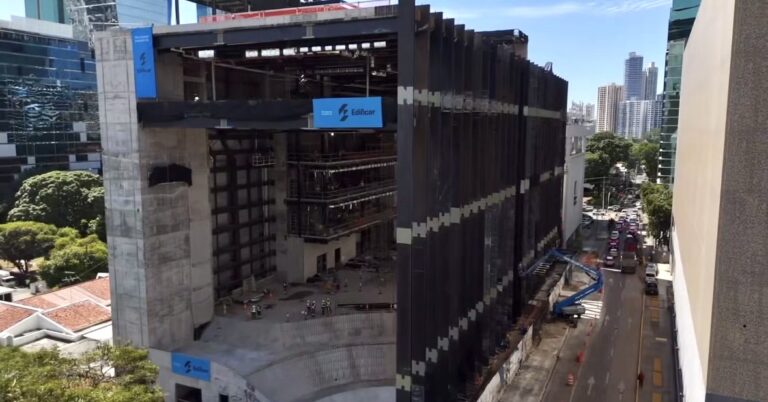
In this context, the CAF North Hub, a building currently under development in Panama City with an $88 million investment, represents a concrete opportunity to integrate bird-friendly design into urban infrastructure. From its inception, the project was planned under sustainability and environmental efficiency criteria, aiming to meet LEED certification standards by incorporating energy efficiency measures, responsible water use, and the reduction of environmental impacts.
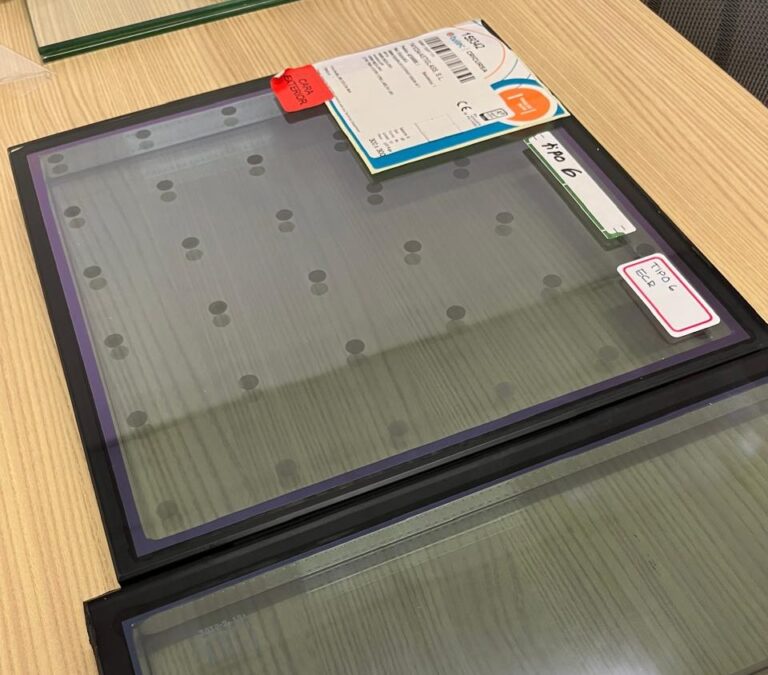
Coordinated efforts between conservation specialists and architects allowed the project to integrate bird-friendly design criteria backed by scientific evidence. As a result, the technical specifications for the facade were updated, and the glass engineered under these criteria is currently in production at a specialized factory in Europe.
“The integration of engineering with conservation science allows us to make informed decisions that reduce impacts and deliver truly sustainable infrastructure. In building the North Hub in Panama, we incorporated bird-friendly criteria based on scientific evidence to protect an essential migratory corridor. In doing so, we reaffirm our commitment to driving development without compromising the natural wealth that defines the region.”
Luisa Plaza
Civil Engineer and Executive at CAF’s Physical Infrastructure Development and Maintenance Directorate
Rather than merely reducing collisions, bird-friendly architecture can be conceived as a form of urban ecological infrastructure. A benchmark for this vision is St. John’s Terminal, Google’s current building in New York, whose biodiversity component featured a collaboration with the NYC Bird Alliance. Its redesign incorporated habitats with native vegetation, stormwater management, and green spaces that are now used by migratory birds. In this building alone, NYC Bird Alliance scientists recorded over 60 species using the newly created habitat to feed, including 11 species never before documented on the city’s green roofs, such as the Yellow Warbler (Setophaga petechia).
But its benefits are not limited to wildlife: this type of design also creates healthier, more attractive, and inspiring environments for people by strengthening their daily connection with nature.
“Cities represent a unique opportunity for bird conservation. Buildings with vegetated facades and bird-safe glass not only create habitats and reduce collisions, but they also generate spaces that bring people closer to nature. Designing with both birds and people in mind allows us to build more sustainable urban environments, where local conservation actions contribute to a hemispheric impact.”
Dustin Partridge
PhD, Director of Conservation and Science, New York City Bird Alliance.
In a continent connected by migratory corridors, every building counts. The CAF North Hub demonstrates that cities can stop being an obstacle and become part of the solution when science guides design decisions—such as the use of bird-safe glass, functional vegetation, and lighting strategies that reduce risks and foster a more harmonious coexistence between biodiversity and urban life.
This is not merely a symbolic action, but, above all, a concrete commitment to integrating biodiversity into investment and urban planning decisions across the Americas, driven by technical criteria, scientific evidence, and a long-term vision. It is also an approach aligned with an increasingly visible international trend: bird-friendly design initiatives are already being recognized for their environmental and architectural value, as seen in 2025 with the Bird-Friendly Building Initiative de Yale,honored with an award of excellence from th International Sustainable Campus Network.
As the first building of its kind featuring bird-friendly design criteria within CAF’s infrastructure portfolio, the North Hub will become a benchmark for future projects in the region, by demonstrating that incorporating biodiversity from the earliest stages of design guides urban growth toward solutions that align with conservation needs and long-term environmental priorities.
This commitment is part of the approach driven by the Americas Flyways Initiative (AFI)—an alliance led by Audubon, BirdLife International, and the Development Bank of Latin America and the Caribbean (CAF)—which promotes various solutions to mitigate the risks faced by bird populations by mainstreaming avian conservation into the planning, design, and financing of infrastructure across the Americas.
Santiago Aparicio, Senior Director at AFI