


AFI brings biodiversity to the heart of the conversation at Construverde 2026
Looking up at the sky and asking whether migratory birds pass through the area where a project will be developed was the call that the Americas Flyways Initiative (AFI) made to Latin America’s construction sector during a panel held in Bogotá.
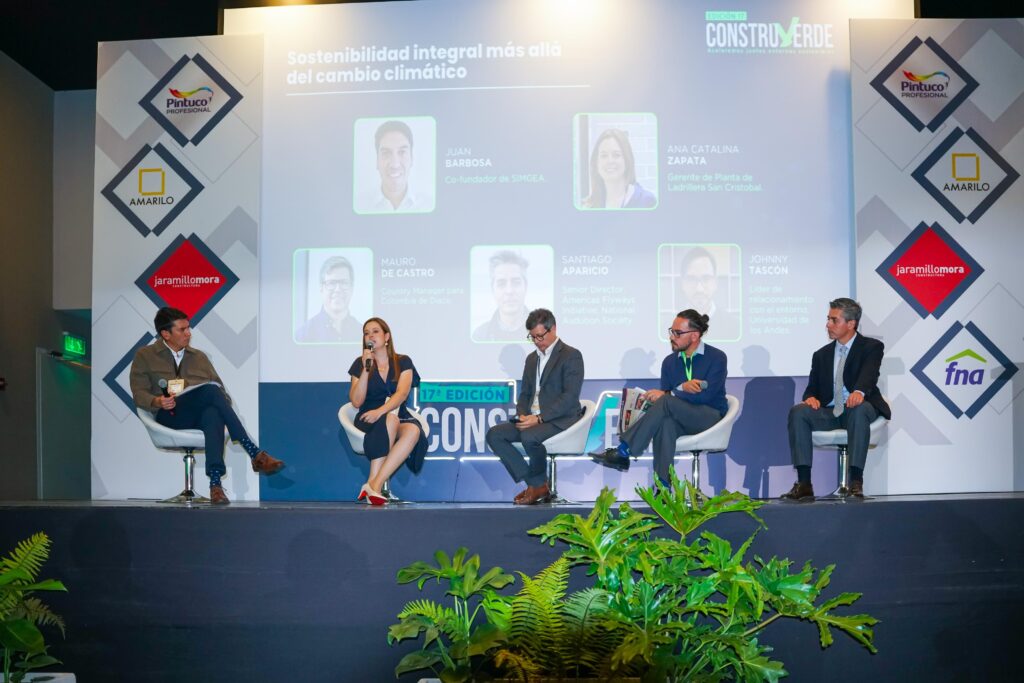
As part of the 17th edition of Construverde, organized by the Colombia Green Building Council, Santiago Aparicio, Senior Director of AFI, participated on July 30 in the panel “Comprehensive Sustainability Beyond Climate Change.”
The session brought together leaders from industry, materials production, urban development and conservation to explore how circularity, health and well-being, biodiversity, and social equity can be integrated into decision-making across the construction sector.
Moderated by Juan Barbosa, General Manager of SIMGEA Edificaciones Sostenibles, the panel also featured Ana Catalina Zapata, Plant Manager at Ladrillera San Cristóbal; Mauro de Castro, Country Manager for Colombia at Diaco; and Johnny Tascón of Progresa Fenicia.
Drawing on their different areas of expertise, the panelists discussed how these dimensions can be incorporated into organizational strategy, risk management, innovation, value chains, and the way projects engage with communities and territories.
Sustainability starts with decisions
The discussion brought a shared idea to the forefront: sustainability cannot be limited to isolated measures or added only after a project’s main characteristics have already been defined. To create meaningful change, it must help guide decisions about where, how, and for whom we build.
This means looking beyond costs, timelines, and operational performance. It also means considering how each project uses resources, affects people’s well-being, engages with communities, and influences the ecosystems on which cities and economies depend.
The panelists showed how these interactions can be addressed from different angles: integrating circularity and responsible resource use into business models; strengthening safety, traceability, and trust across value chains; and ensuring that community participation is part of urban transformation processes from the outset.
Biodiversity is another key dimension that can be integrated from the beginning as a strategic element to guide project design, anticipate risks, and enhance environmental and social benefits.
Making biodiversity visible
Buildings and infrastructure do not exist in isolation. Their location, design, lighting, and relationship with the surrounding landscape can affect habitats, species, and essential ecological connections.
In the case of migratory birds, these impacts can extend far beyond the site where a project is developed.
During their journeys, birds depend on a network of wetlands, forests, coastlines, agricultural areas, and urban spaces distributed across the continent. The loss or degradation of any one of these sites can compromise their ability to complete their full migratory cycle.
From AFI’s perspective, integrating biodiversity from the earliest stages makes it possible to use scientific information and local knowledge to identify sensitive areas, assess alternatives, and avoid negative impacts before they occur.
In practice, this can translate into decisions about project location and design, habitat conservation and restoration, the maintenance of ecological connectivity, and appropriate lighting management. It also includes specific solutions, such as treating glass surfaces to reduce the risk of bird collisions.
More than complementary environmental measures, these actions can help projects anticipate risks, meet increasingly demanding standards, and generate lasting benefits for both people and nature.
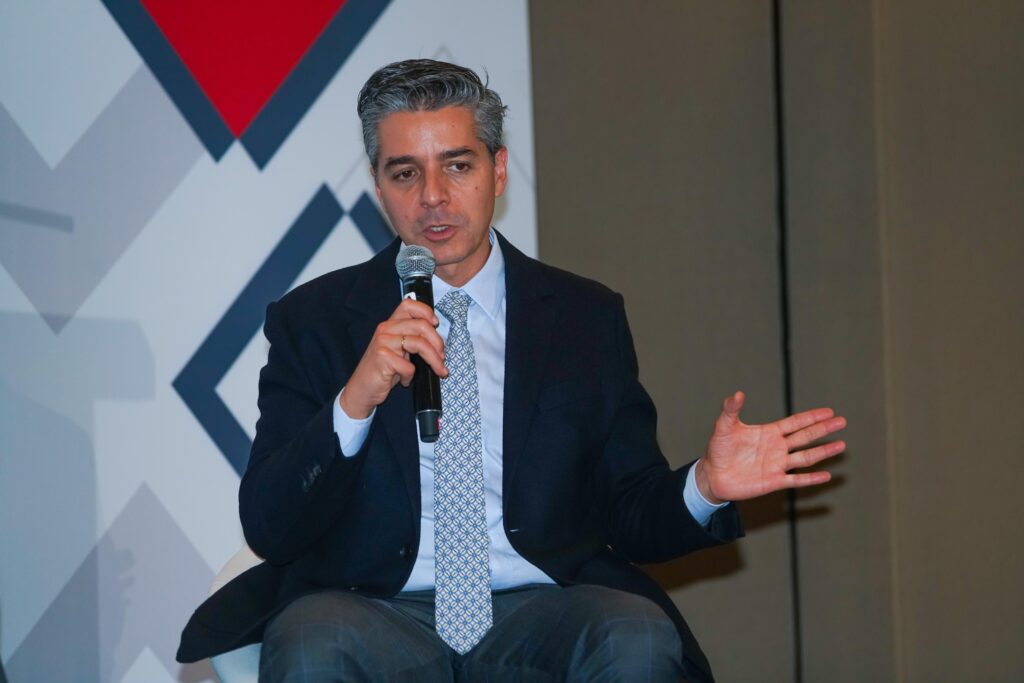
“Integrating biodiversity from the outset means bringing scientific evidence into design and investment decisions. Experiences such as the CAF HUB Norte Building illustrate the potential of this approach: a project conceived under LEED standards in which AFI, together with the CAF team, identified and incorporated design recommendations to reduce the risk of bird collisions with the façade. The result is a building that not only meets its sustainability goals, but also earns the additional points that LEED certification awards to projects that incorporate bird-friendly criteria—demonstrating that, through cross-sector collaboration, it is possible to develop infrastructure solutions that are both replicable and genuinely biodiversity-friendly.”
Santiago Aparicio, AFI Director
Connecting conservation and development
The Americas Flyways Initiative (AFI) works to integrate the conservation of migratory birds and their habitats into investments and development projects across Latin America and the Caribbean. AFI brings together the expertise of the National Audubon Society, BirdLife International, CAF, and national conservation organizations to bring science and local knowledge closer to the spaces where decisions on infrastructure, policy, and finance are made.
The initiative is built on a fundamental premise: development and conservation do not have to move forward on separate paths. When biodiversity is considered from the beginning, it is possible to avoid and reduce impacts, manage risks more effectively, and identify solutions that deliver positive outcomes for both nature and people.
AFI’s participation in Construverde helped bring this perspective closer to those who design, finance, and develop buildings and infrastructure across the region. It also reinforced a central message: biodiversity should not remain at the margins of sustainable construction, but should become one of the criteria that guides decision-making.